All Categories
Featured
Building Resilience into Every Southern California Facility
Navigating California Water Policies On Commercial Sites

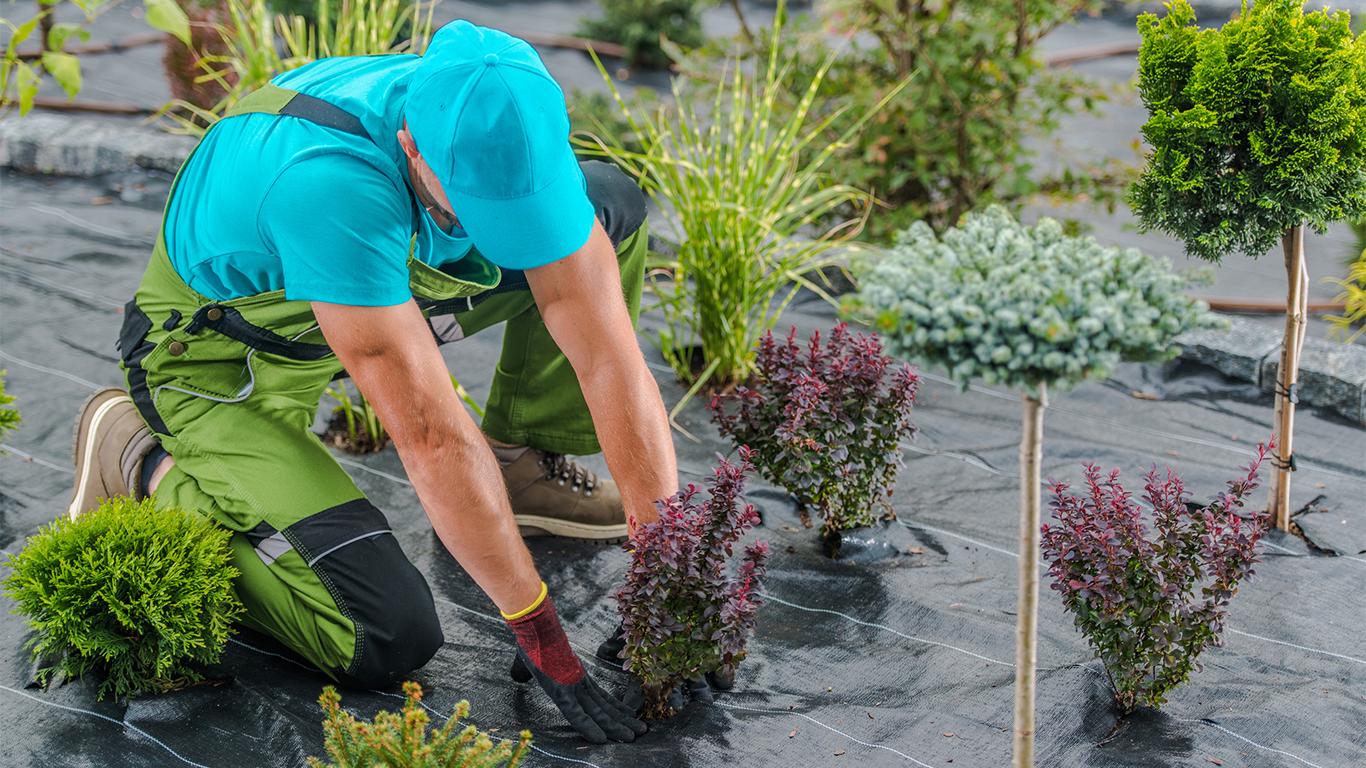
Adopting Drought-Resistant Landscaping Across Los Angeles
Table of Contents
Los Angeles landscapers are specialists in developing gardens that show personal style while likewise considering the local climate. They utilize thoughtful garden style to produce an immersive experience with a choice of plants that grow in the area.
: Encouraged to promote local biodiversity and ease of care.: Tactically picked to create year-round visual interest. From Zen-inspired serenity to vibrant, lavish plans, the objective is to develop an unique and sustainable garden environment that matches the rest of the landscape. When seeking landscaping services in Los Angeles, individuals frequently have questions about costs, discovering reputable services, and what to anticipate during the landscaping procedure.
Landscape MaintenanceUsually, property owners might invest between $1,500 and $5,500 for a full landscaping task. Evaluations for landscaping services in Los Angeles can be found on platforms such as Yelp, Angie's List, and Google My Service. Prospective customers need to search for comprehensive reviews that speak to the quality and reliability of the services rendered.
Elements such as the complexity of the work and the landscaper's experience can influence the rate. Affordable landscaping services in Los Angeles can be sourced through regional directories and community boards. One must consider services that stabilize cost with favorable consumer feedback and a good portfolio of completed jobs. For a basic landscaping task in Los Angeles, one must anticipate expenses beginning around $3,000 to $6,000, depending upon the task's scale and the materials needed.
Future-Proofing Southern California Commercial Assets Against Drought
Individual recommendations and consultation meetings can likewise offer insight into their dependability and work ethic.
The Hydration Station Initiative Program enables non-residential consumers to install or recondition openly accessible drinking water stations on homes with compensation chances for eligible applicants.
What precisely is a "sustainable landscape" and how can you create your own? Just put, sustainable landscaping includes choosing plants that are adapted to your environment and microclimate, and executing ecologically sound maintenance practices.
Implementing Drought-Resistant Greenspace Across Los Angeles
In such a xeric environment it is extremely essential that our minimal water is utilized as efficiently as possible. Every drop of water that falls on your website must remain on your site and be used to support your landscape goals.
These basins gather, penetrate, and shop rainwater in the soil, where it can be accessed by our plants and used to develop much healthier soil. Find out more about our Tucson rainwater harvesting services to learn how we can help you access this huge resource. Getting shade in the right place is crucial to the general health and satisfaction of our landscapes.
Not to discuss they produce a dubious, peaceful, and welcoming environment that draws us out of our homes and into our landscapes. And if all of that is not enough, mature shade trees can increase the resale worth of your home by approximately 15%. Coupling our native trees with passive rainwater harvesting techniques makes sure accelerated development rates while decreasing local water inputs.
That is why EcoSense designs landscapes that do not rely on supplemental watering as soon as developed. We achieve this with careful passive rainwater collecting preparation and water budgeting to guarantee our landscapes can grow on regular rainfall alone. We also use sturdy succulents and targeted seed blends that do not need watering for facility.
Future-Proofing Southern California Portfolio Assets for Drought
Found near the Santa Monica Mountains in a garden-like setting, UCLA's landscape provides respite and connection, in addition to environment for campus wildlife, as highlighted in this UCLA Publication piece: Pockets of Paradise on School. Recently we have actually transitioned ornamental turf areas to native and climate resistant plants, as well as triggering outdoor research study spaces.
Sage Hill, located in the northwest corner of campus, is 3.4 acres of native California habitat that is home to a high diversity of flora and animals consisting of 50 native greater plant types, 7 native mammal species, 17 butterflies species, and almost 30 homeowner and migratory bird species.

Latest Posts
Defining Primary Sustainability Performance Benchmarks

Building Resilience into Every Southern California Facility
Navigating California Water Policies On Commercial Sites